37 Hours on a Bus vs. a $450 Rental Scam: The Ultimate Vacation Survival Guide
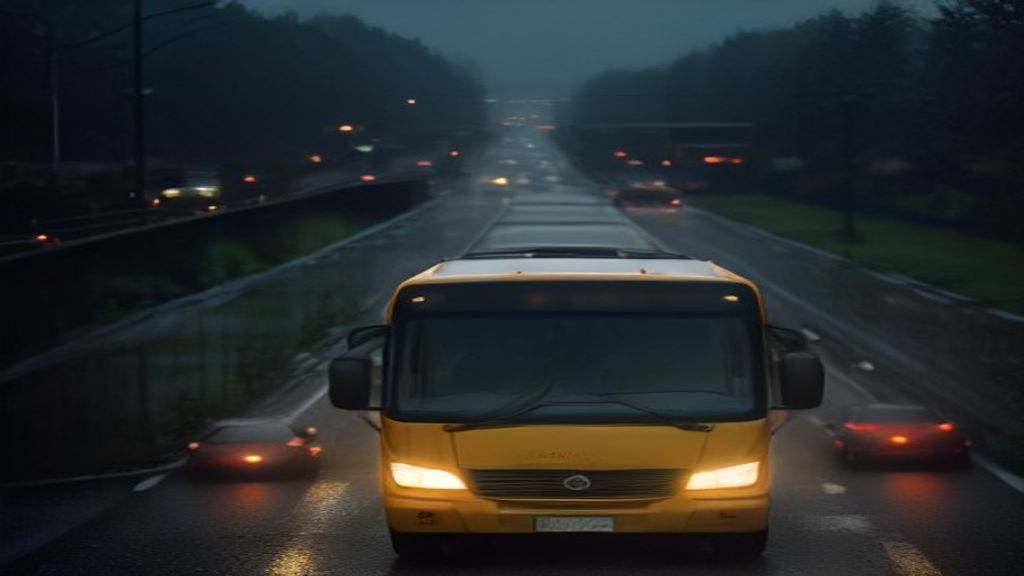
37 Hours on a Bus vs. a $450 Rental Scam: The Ultimate Vacation Survival Guide · Avonetics
Planning a long-distance trip on a tight budget can test even the most seasoned wanderer, but two recent travel dilemmas highlight just how chaotic navigating modern transportation can be.
For one solo traveler living in Spain, the thought of stepping onto an airplane to visit family in Poland for Christmas is an absolute dealbreaker. After experiencing severe flight anxiety that triggered a month of crippling panic attacks during a previous trip, they made a firm decision: no more flying. However, swapping a quick two-hour flight for a land journey across four European borders presents a whole new set of hurdles.
 Read nextI Quit My Job for an Epic Australian Adventure—Now I'm Sobs-Deep in Hostel Beds and Begging for Connection
Navigating international train and bus booking platforms can feel like a labyrinth. Route options quickly multiply, and prices surge during the holiday rush. Yet seasoned overland travelers point out that an epic budget trek across Europe is entirely possible if you know how to stitch the routes together.
One popular strategy relies on long-distance buses, where connecting routes through Germany into Poland can be booked for around €125. While a 37-hour bus ride is undeniably intense, budget-savvy travelers suggest breaking the trip down leg by leg. By taking unreserved regional trains from Spain into France, hopping on domestic ride-share buses like BlaBlaCar, and utilizing local German rail passes like the €58 monthly Deutschlandticket, travelers can cross the continent for a fraction of standard train fares.
However, others warn that trading flight anxiety for two days crammed into a bus seat might cause even greater distress. Commenters pointed out that sleep deprivation and tight layovers in unfamiliar stations can easily trigger physical exhaustion, recommending that travelers with travel phobias consider medical support or invest in high-speed overnight trains instead.
While overland travelers battle transit schedules, motorists are facing high-tech traps at car rental counters. A recent traveler returning a car in Miami was shocked to find a surprise $450 'smoking fee' tacked onto their final bill despite never smoking in the vehicle.
When pressed for proof, the rental company provided a report from an automated cabin air quality sensor. Ironically, the data completely disproved the charge: the particle spike lasted just two minutes while the vehicle was traveling at 60 mph on the highway, clearly indicating outside dust or road exhaust entering through open windows. Furthermore, the manufacturer's own documentation explicitly noted that the sensor data should not be used as sole decision-making criteria for penalties.
Despite submitting a detailed breakdown of the flawed data, the renter was met with a standard partial refund offer, while their credit card company refused to honor a chargeback dispute. Consumer advocates advise that when credit card providers side with rental agencies, filing formal complaints with regulatory bodies like the FTC and State Attorneys General is often the only remaining weapon to recover fraudulent fees.
Our podcast hosts dive straight into both of these wild travel stories on this week's episode.