Charades in the Clinic: Resident Describes Attending Doctor Who Only Communicates Through Angry Gestures

Charades in the Clinic: Resident Describes Attending Doctor Who Only Communicates Through Angry Gestures · Avonetics
 Waterpik Cordless Gem 5100 Portable Water
Waterpik Cordless Gem helps you maintain healthier gums and cleaner teeth whether you are at home or traveling. It includes 3 tips for a variety of dental needs, including cleaning…
See it →
Waterpik Cordless Gem 5100 Portable Water
Waterpik Cordless Gem helps you maintain healthier gums and cleaner teeth whether you are at home or traveling. It includes 3 tips for a variety of dental needs, including cleaning…
See it →
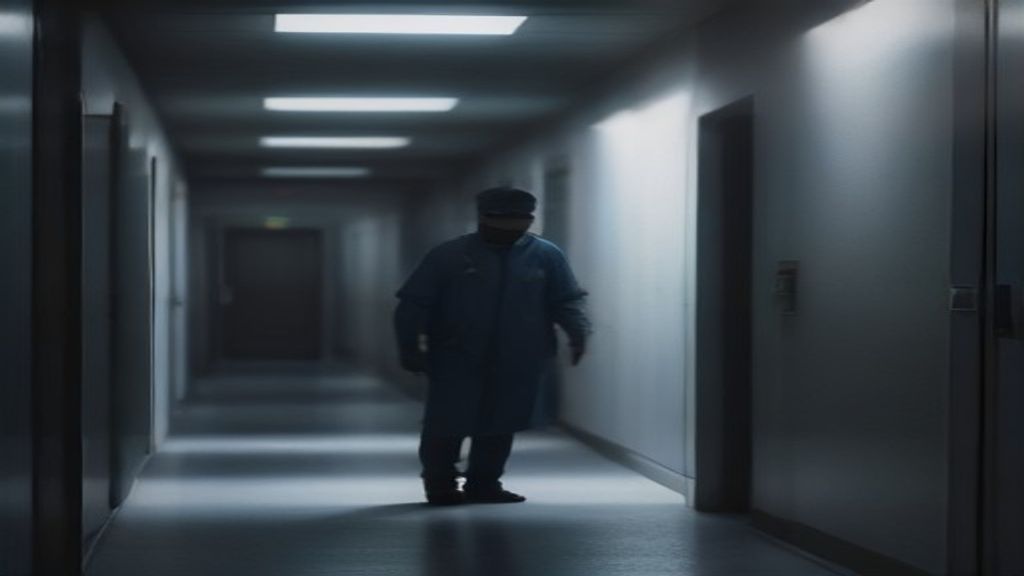
A medical residency is supposed to be a masterclass in clinical decision-making, direct mentorship, and precise patient care. But for one resident, training has transformed into an erratic game of physical charades led by an attending physician who refuses to speak a single word.
According to accounts from the clinical floor, the attending communicates exclusively through aggressive, sweeping hand gestures and dramatic arm flings. Trainees report attempting to make critical patient care choices while the attending stands nearby performing frantic physical motions, snatching medical items directly out of residents' hands and knocking equipment onto the floor in bouts of wordless frustration.
 Read next'I Had No Safe Way to Order It': The Night a Hospital's Digital Backbone Collapsed Mid-Trauma
The bizarre behavior has left the medical team scrambling to decipher instructions during high-pressure shifts. Rumors have begun circulating across the unit that the physician’s non-verbal outbursts could turn physically aggressive, sparking widespread concern among staff who feel caught between professional compliance and personal safety.
The situation has sparked intense debate among healthcare workers over how to handle erratic leadership in academic medicine. Many insist that the training environment is compromised, arguing that clinical care cannot depend on guessing games. One observer noted that no trainee should be subjected to a residency powered by charades, advising that the attending be handed a whiteboard and dry-erase marker to force clear, written instructions. Another person argued that throwing items or swinging arms near trainees constitutes a hostile work environment that warrants immediate reporting to residency leadership and hospital boards.
However, others within the medical community suspect a far more calculated dynamic at play. Some seasoned personnel questioned whether the physician is genuinely hearing-impaired or if the silent, gesture-heavy routine is an elaborate ploy to avoid teaching responsibilities and patient interaction altogether. One commentator joked that avoiding verbal communication while dramatic hand gestures do the work might be the ultimate administrative shortcut for an aloof attending doctor.
 Ring Spotlight Cam
Look in anytime — Watch over your home or business day or night in wide-angle, 1080p HD video with Color Night Vision and see what’s happening with Live View.. Stop intruders in th…
See it →
Ring Spotlight Cam
Look in anytime — Watch over your home or business day or night in wide-angle, 1080p HD video with Color Night Vision and see what’s happening with Live View.. Stop intruders in th…
See it →
The underlying tension highlights a broader crisis across healthcare training: the fear of professional retaliation. Trainees often hesitate to report senior physicians out of fear that administrative complaints will damage their medical careers or standing within the program.
This communication crisis mirrors the high-stakes choices facing emergency responders across the healthcare pipeline. In pre-hospital care, EMTs on transport units frequently face their own dilemmas, struggling with skill atrophy while deciding whether to jump into understaffed 911 response systems to keep their clinical edge sharp.
Our podcast hosts take a close look into this clinical chaos and rule on the ultimate residency survival strategy on the latest episode of Code Red.
 innisfree Green Tea Ceramide Milk Mask
Targeted mask care for every skin concern: Korean, serum-infused 10-minute face masks powered by Super Green TeaTM to deeply hydrate your skin.. 10-minute face masks: Daily skin s…
See it →
innisfree Green Tea Ceramide Milk Mask
Targeted mask care for every skin concern: Korean, serum-infused 10-minute face masks powered by Super Green TeaTM to deeply hydrate your skin.. 10-minute face masks: Daily skin s…
See it →