From $4K Superbikes to Race-Week Panic: Inside the High-Stakes World of Triathlon Gear Meltdowns
From $4K Superbikes to Race-Week Panic: Inside the High-Stakes World of Triathlon Gear Meltdowns · Avonetics
 LOAAO 72X36 Inch Brushed Nickel Bathroom
LOAAO bathroom vanity mirror is designed with HD float glass to deliver a clear reflection with no distortion; clear lines; simple modern design. 【Sturdy Mirror with Premium Materi…
See it →
LOAAO 72X36 Inch Brushed Nickel Bathroom
LOAAO bathroom vanity mirror is designed with HD float glass to deliver a clear reflection with no distortion; clear lines; simple modern design. 【Sturdy Mirror with Premium Materi…
See it →
The world of long-course triathlon is fueled by sweat, discipline, and an undeniable obsession with high-end machinery. But when gear obsession collides with personal finances and race-day timing, the triathlon community gets loud. Two stunning equipment dilemmas recently ignited intense debate among endurance athletes, raising fundamental questions about budget limits, aerodynamic gains, and the sacred rules of race week.
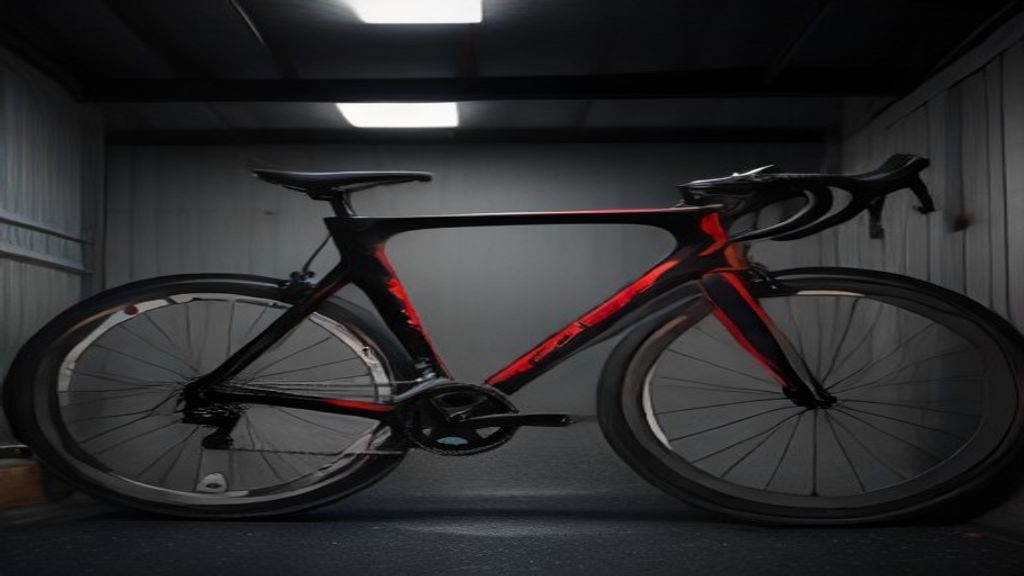
The first drama unfolds around a recent college graduate who conquered their first 140.6-mile Ironman on a modest aluminum CAAD10 road bike. Wanting to elevate their performance, the athlete stumbled upon a tantalizing listing: a used Canyon Speedmax CF8 Di2. The bike boasts integrated electronic shifting, an ultra-sleek carbon cockpit, a 750ml streamlined hydration system, and high-performance carbon wheels. Listed originally for $5,500, the buyer managed to negotiate the price down to $4,000 flat.
 Read nextDardanelles Drama: This Swimmer's Buoy Nightmare Cost Her 20 Minutes!
While a $4,000 price tag on a bike that retails for nearly $6,000 new sounds like a dream deal, it represents a massive financial leap for someone fresh out of school. The community immediately split into opposing camps over whether the purchase was an investment in athletic growth or financial recklessness.
Supporters of the purchase argued that finding a modern triathlon bike with Di2 shifting and premium carbon wheels under five grand is an exceptional opportunity. One athlete pointed out that they paid roughly $7,500 equivalent for the exact same setup and felt every penny was justified by the speed gains. Another commenter noted that negotiational persistence paid off, insisting that if the funds are available, the performance leap from an aluminum road frame to a dedicated carbon time-trial machine is priceless.
However, practical voices urged extreme caution. One observer posed a simple litmus test: will there be any money left in the bank account after handing over the cash? Others raised valid technical concerns, pointing to historical manufacturer recalls on certain carbon cockpits and seatposts, advising the buyer to verify frame safety before parting with their savings.
As if a four-thousand-dollar gear gamble were not enough, an even more immediate crisis emerged from another athlete facing an Ironman race this coming Sunday. With 112 miles of cycling looming in less than five days, the triathlete found themselves stuck between two bikes sitting in their garage.
On one hand sat an Argon 18 equipped with electronic Di2 shifting, acquired just weeks prior and adjusted over the weekend. Although remarkably fast in early testing, the aggressive bar setup left the athlete’s neck aching after brief test rides. On the other hand sat their faithful Stevens training bike—a trusted rig used for all long training miles, but one that causes known lower-back soreness and lacks top-tier aerodynamics.
 Instant Pot Dual Action 8‑in‑1 Multi-Cooker
Cook mains and sides at the same time with dedicated cooking zones. The 4QT main pot pressure cooks, slow cooks, sautés, steams, and keeps warm, while the 2QT side pot is perfect f…
See it →
Instant Pot Dual Action 8‑in‑1 Multi-Cooker
Cook mains and sides at the same time with dedicated cooking zones. The 4QT main pot pressure cooks, slow cooks, sautés, steams, and keeps warm, while the 2QT side pot is perfect f…
See it →
The dilemma provoked strong reactions across the endurance world. A few performance enthusiasts suggested taking the high-tech Argon 18, arguing that electronic shifting and aero efficiency would save precious energy over six hours on the road.
Yet, the vast majority of veteran triathletes rallied around the single most sacred commandment of endurance sports: nothing new on race day. Commenters warned that spending over five hours in an untested, aggressive position could cause crippling neck spasms, ruining any chance of completing the marathon that follows.
"Riding an unfamiliar frame for 112 miles is akin to running a marathon in brand new shoes," one seasoned triathlete remarked. "The neck stiffness experienced in a thirty-minute spin will compound into debilitating pain by mile fifty, rendering the aero advantage completely useless if you cannot hold the position or run afterward."
Whether navigating post-grad finances or calculating race-week risks, these sagas highlight the fine line between competitive advantage and total race-day disaster.
Our hosts unpack all the chaos, debate the numbers, and deliver their final judgment on the latest episode of Deep End.
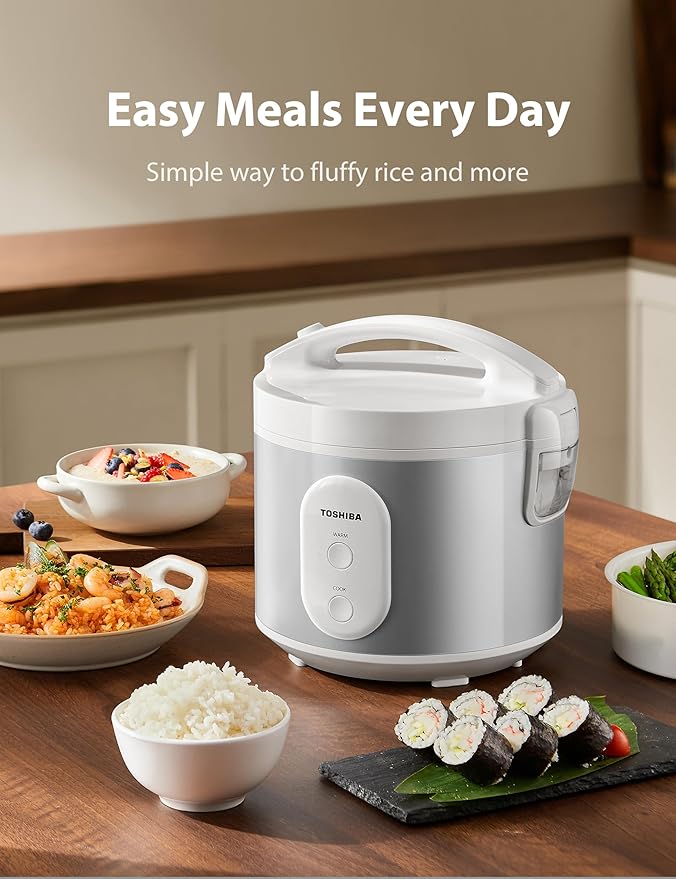 TOSHIBA Rice Cooker & Steamer Simple
Family Size Capacity: This rice cooker with 5.5 cups rice capacity is perfectly suited for a family. It can serve a family gathering for 1-5 people, ensuring everyone gets a delici…
See it →
TOSHIBA Rice Cooker & Steamer Simple
Family Size Capacity: This rice cooker with 5.5 cups rice capacity is perfectly suited for a family. It can serve a family gathering for 1-5 people, ensuring everyone gets a delici…
See it →