From 'Marble Jars' to Mid-Shift Walkouts: Inside the War Zone of Early Classroom Management

From 'Marble Jars' to Mid-Shift Walkouts: Inside the War Zone of Early Classroom Management · Avonetics
 Sony WH-1000XM5 Premium Noise Cancelling Wireless
Two processors control 8 microphones for unprecedented noise cancellation. With Auto NC Optimizer, noise canceling is automatically optimized based on your wearing conditions and e…
See it →
Sony WH-1000XM5 Premium Noise Cancelling Wireless
Two processors control 8 microphones for unprecedented noise cancellation. With Auto NC Optimizer, noise canceling is automatically optimized based on your wearing conditions and e…
See it →
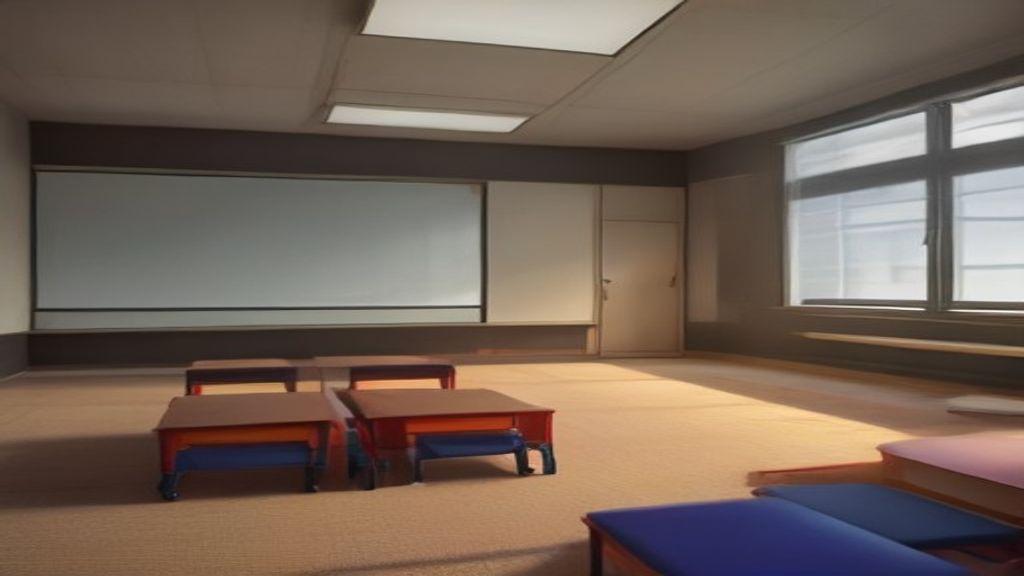
The third day of the school year is supposed to be full of crisp notebooks, bright name tags, and gentle icebreakers. Instead, for one first-year second-grade teacher, it turned into an absolute battle for basic order. Handed a classroom of twenty-seven energetic seven-year-olds—a roster veteran colleagues explicitly warned was heavy with behavioral challenges—the rookie educator quickly found herself drowning in line redos, reward tickets, and chaotic transitions.
By day three, the initial routines designed to create harmony began to crumble. When the class failed to walk quietly to the cafeteria, the teacher made all twenty-seven students repeat the hallway line five times. In an attempt to manage talking over directions, she implemented visual step charts and reflection sheets. By Friday afternoon, eight students were sitting out during recess to complete behavioral write-ups, leaving two children missing their entire break simply because there was not enough time to hold restorative chats with everyone.
 Read nextLaminate Overload and Tiger Parenting: Inside the Early Education Panic
Desperate to regain control, the teacher escalated her incentive structures. She began handing out extra tickets, doubling marble tallies for whole-class rewards, waiting in multi-minute silences, and even offering immediate candy bribes for moments of quiet. Yet, despite the non-stop effort, students began laughing during redirections, forcing her to send disruptive children on walks with paras or to neighboring classrooms.
The teacher's experience highlights a fierce debate within the educational community regarding early childhood management. Many veteran educators emphasize that constantly shifting systems in the first week creates unpredictability for young children. They advise holding steady with positive reinforcement and ending collective punishments like making compliant kids repeat hallway walks.
"Switching your discipline systems every twenty-four hours is more disorienting for kids than having a slightly average routine," one commenter noted. "Building line expectations takes solid practice for at least two weeks. You have to give it time to become muscle memory."
Others pointed out the danger of incentive inflation. Handing out double marbles or multiple tickets to buy compliance sets an escalating precedent that becomes impossible to maintain by mid-year. Critics also warned against stripping kids of recess, noting that removing physical outlets often magnifies behavioral disruptions later in the afternoon.
 Anker 140W Max 4-Port GaN Charging
Fast Charging for Four Devices: Enjoy the convenience of powering four devices simultaneously with our advanced GaN technology for optimal performance.Dimensions: 2.72 × 2.72 × 1.4…
See it →
Anker 140W Max 4-Port GaN Charging
Fast Charging for Four Devices: Enjoy the convenience of powering four devices simultaneously with our advanced GaN technology for optimal performance.Dimensions: 2.72 × 2.72 × 1.4…
See it →
However, a second school of thought suggests that when a teacher is handed an exceptionally difficult class dynamics mix, standard gold-star charts are simply not enough. Supporters of tactical pivots advocate for immediate gamification, such as implementing a visual "Teacher vs. Student" challenge on the whiteboard, or carrying clipboards for quiet, targeted data tracking that prompts support intervention plans.
This classroom struggle parallels wider systemic tension across early childhood education, where staff often feel unsupported by administration. In a striking contrast from the primary school room, a daycare worker recently described walking out mid-shift after being berated by a center director for using conversation-based discipline instead of harsh rug isolations.
Whether navigating twenty-seven high-energy second graders or standing up to rigid daycare directors, early educators face an uphill battle balancing empathy, structure, and survival.
Our hosts unpack both of these wild workplace stories and rule on the ultimate classroom management strategy on this week's episode of Classroom Confessions.
 Hario Cold Brew Tea Portable Bottle
Tritan Polypropylene Silicone Rubber. Cold brewed tea, a new way to brew and enjoy tea. Achieve tea's true rich and sweet flavors without the bitterness. Decanter shape creates an…
See it →
Hario Cold Brew Tea Portable Bottle
Tritan Polypropylene Silicone Rubber. Cold brewed tea, a new way to brew and enjoy tea. Achieve tea's true rich and sweet flavors without the bitterness. Decanter shape creates an…
See it →