White Gold & Empire: The Ancient Mineral That Built Cities (and India's Reaction to Columbus)

White Gold & Empire: The Ancient Mineral That Built Cities (and India's Reaction to Columbus) · Avonetics
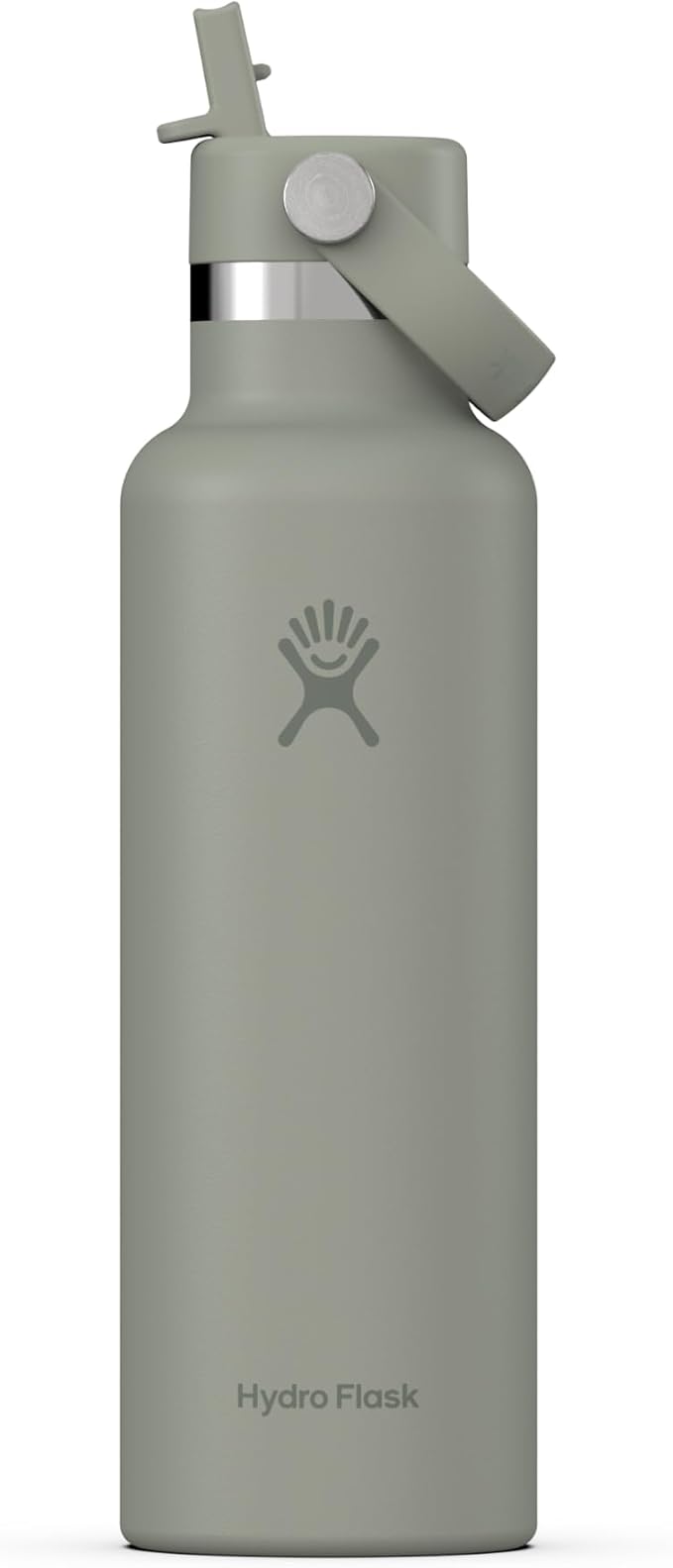 21 OZ Standard Flex Straw Cap
Our double-wall vacuum-insulated bottle keeps beverages cold for up to 24 hours and hot for up to 12 hours. The TempShield technology prevents condensation and heat transfer to the…
See it →
21 OZ Standard Flex Straw Cap
Our double-wall vacuum-insulated bottle keeps beverages cold for up to 24 hours and hot for up to 12 hours. The TempShield technology prevents condensation and heat transfer to the…
See it →
Long before modern economics, ancient civilizations were locked in a desperate struggle for a single crystalline compound: salt. Around 5400 BC, in what is now Bulgaria, early humans constructed Solnitsata, widely regarded as one of Europe's first walled towns. It wasn't built around gold or jewels, but around a bustling salt mine.
As prehistoric humans shifted from nomadic hunting to agricultural life, their dietary sodium dropped dramatically. Salt was no longer just a luxury—it was a biological necessity and the only known way to preserve meat for harsh winters. From the salt-spring boilers of Romania to the vast lake beds of Xiechi in Shanxi, China, early societies that controlled salt controlled human survival.
 Read nextThe Great Blue Mystery: Why Ancient Greeks Described the Sea as 'Wine-Dark'
By the first millennium BC, the salt trade had birthed entire empires. Celtic tribes in Hallstatt, Austria—a town named directly after the mineral—grew obscenely wealthy trading cured meats to ancient Rome and Greece. In Han Dynasty China around 81 BC, government ministers locked horns with Confucian scholars in the famous 'Discourses on Salt and Iron,' debating whether the state should hold a strict monopoly on salt production or allow free-market enterprise.
Reactions from historical observers paint a fascinating picture of how vital these commodities were. One modern scholar noted that Roman soldiers received salt rations to sustain them on campaigns, giving rise to the Latin root for the word 'salary.' Another commentator pointed out that while salt drove early economic engines, civilization couldn't exist without fertile topsoil and clean water—arguing that soil, not salt, is the true catalyst of human progress.
 Zojirushi SM-SF36-PA Water Bottle
, Direct Drinking [One-touch Open] Stainless Steel Mug, 12.2 fl oz (360 ml), Pink : CDs & Vinyl
See it →
Zojirushi SM-SF36-PA Water Bottle
Zojirushi SM-SF36-PA Water Bottle, Direct Drinking [One-touch Open] Stainless Steel Mug, 12.2 fl oz (360 ml), Pink : CDs & Vinyl
See it →
This economic obsession took an ironic turn in 1492 when Christopher Columbus set sail to find a direct sea route to the lucrative spice markets of India. When Columbus landed in the Caribbean and misidentified the local population, the actual kingdoms of the Indian subcontinent were largely unaware—and unbothered.
When European traders eventually reached Calicut on India's southwestern coast, local rulers viewed them not as divine conquerors, but as pushy foreign merchants trying to muscle into an ancient, highly sophisticated Indian Ocean trade network. While Europe was obsessed with finding gold and salt, Asian empires already possessed vast agricultural surpluses that made western expeditions look like minor blips on the trade horizon.
Our podcast hosts unpack this incredible story of ancient commodities, imperial monopolies, and global misunderstandings on the latest episode of History Uncut.
 SM-RB75E Stainless Carry Mug 25 ounce
Stainless Steel vacuum insulated construction with superior heat and cold retention; Heat retention: 190°F @ 1 hrs.; Cold retention: 45°F @ 6 hrs.. Easy to use leak-proof, gasket-f…
See it →
SM-RB75E Stainless Carry Mug 25 ounce
Stainless Steel vacuum insulated construction with superior heat and cold retention; Heat retention: 190°F @ 1 hrs.; Cold retention: 45°F @ 6 hrs.. Easy to use leak-proof, gasket-f…
See it →